EPC 2026: Why Operations Can't Be an Afterthought
EPC 2026: Why Operations Can't Be an Afterthought
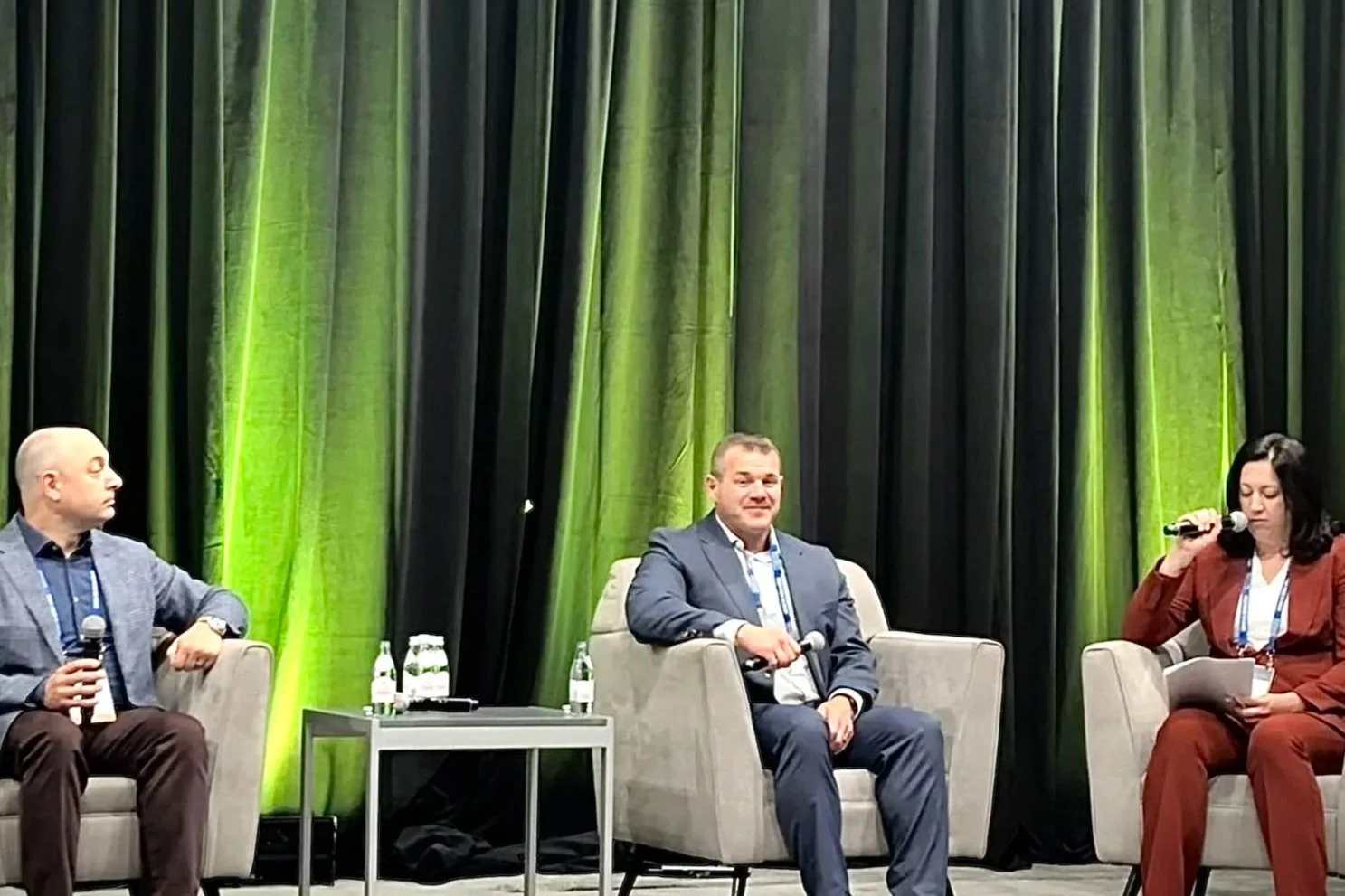
Earlier this year, I had the opportunity to serve as the Midstream Chair at the EPC Conference and moderate a discussion with industry leaders.
There were a lot of great conversations throughout the conference around AI, project delivery, workforce challenges, stakeholder engagement, and where the industry is headed.
But one theme kept coming up regardless of the topic.
People.
For all the discussion around technology and how AI will change the way we work, the human element was still at the center of nearly every conversation. Technology can help us work faster, analyze more information, and improve decision making, but experienced people are still critical when it comes to managing risk, maintaining quality, and keeping a business running.
That was one of my biggest takeaways from the conference.
There was another takeaway, though, and it came from something I didn't hear discussed nearly as much.
Operations.
The Project Ends. Operations Doesn't.
We spend years planning, engineering, permitting, procuring, and constructing major projects.
There are schedules to meet, budgets to manage, contractors to coordinate, and startup dates that can't move.
Then the project gets turned over.
For the project team, that can feel like the finish line.
For operations, it's the beginning.
That asset may be part of the company's operations for the next 20, 30, or even 40 years. Long after the project team has moved on, someone has to operate it, maintain it, troubleshoot it, keep it compliant, and find ways to make it more efficient.
That's why I believe operations needs to be part of the conversation much earlier.
The decisions made during engineering and construction don't disappear at turnover. They become operating costs, maintenance requirements, reliability issues, safety considerations, and sometimes problems the organization will spend years trying to correct.
I've seen firsthand how expensive that can become.
Some of the biggest opportunities I've found throughout my career haven't come from redesigning an entire project. They've come from looking at how engineering decisions, operational needs, workflows, and execution fit together and identifying the gaps between them.
Those gaps are much easier and less expensive to address before startup than after.
Stakeholder Engagement Is More Than a Project Requirement
One of the sessions that stood out to me at EPC focused on stakeholder engagement.
It was a topic I've seen play an important role throughout my career, regardless of whether I was working in engineering, operations, project execution, or leadership.
Good stakeholder engagement isn't just about keeping people informed.
It's about getting the right people involved early enough that their knowledge can actually influence the outcome.
Operations understands how the facility will run.
Maintenance understands what it will take to keep equipment available.
Engineering understands the technical requirements.
Construction understands what can realistically be built.
Leadership understands the business objectives.
Project management has to bring all of those pieces together.
When those groups operate independently, gaps develop.
When they work together, problems can often be identified before they become expensive.
That alignment is something I spend a lot of time looking at when supporting organizations and projects. Often, the issue isn't that people aren't capable. It's that information, responsibilities, and priorities aren't moving effectively between the people who need them.
AI Doesn't Eliminate the Need for Experience
AI was part of nearly every conversation at EPC, which isn't surprising.
The technology is moving quickly and will continue to change engineering, project management, operations, and how organizations make decisions.
But I left the conference thinking about something slightly different.
The more technology we introduce, the more important judgment becomes.
AI can analyze information.
It can identify patterns.
It can automate tasks.
But somebody still has to understand whether the answer makes sense in the real world.
In complex industrial environments, context matters.
A calculation can be technically correct while the solution is impractical to operate. A project can be delivered on schedule while creating long term maintenance problems. A cost saving decision during construction can create significantly higher operating costs over the life of an asset.
That's where experience matters.
And it's why the human element remains so important.
The Questions We Should Be Asking Before Turnover
Instead of waiting until startup to find out whether a project works for operations, I think organizations should be asking those questions throughout the project.
Can this equipment be operated safely?
Can it be maintained efficiently?
Have the people who will operate it actually reviewed the design?
Are operational procedures and training ready?
Are the drawings accurate?
Are Management of Change requirements complete?
Are we creating unnecessary operating or maintenance costs?
Have the right subject matter experts been involved?
And maybe the simplest question of all:
What are we handing Operations?
Not just from an engineering standpoint.
From a business standpoint.
Because once the project is complete, the company owns everything that comes with that asset.
Looking Beyond Startup
One of the things I've learned throughout my career is that successful project execution requires looking beyond the project schedule.
Meeting a startup date matters.
Meeting the budget matters.
Delivering the engineering scope matters.
But none of those things should come at the expense of creating an asset that is difficult or expensive to operate for the next several decades.
That's where stronger alignment between engineering, project teams, and operations can create significant value.
It can reduce rework.
It can identify unnecessary costs.
It can improve operational readiness.
It can reduce risk.
And it can help organizations make better decisions before those decisions become permanent infrastructure.
The conversations at EPC reinforced something I've believed for a long time.
Technology will continue to change.
The workforce will continue to change.
The way we engineer and execute projects will continue to change.
But successful projects will still depend on communication, accountability, experience, and getting the right people involved at the right time.
Projects eventually end.
Operations doesn't.
And the best time to think about that isn't at turnover.
It's at the beginning.
Until Next Time,
Danielle