
Why Engineering Plans Fail in the Field
I've spent much of my career working between engineering, operations, project teams, and field personnel. One thing I've learned is that engineering plans rarely fail because of bad engineering.
More often, they fail because the people responsible for operating the system weren't included early enough in the process.
As a field engineer, I remember receiving project drawings, overseeing construction, and eventually turning projects over to operations. On paper, everything looked right. The project was complete, the equipment was installed, and the system was ready to run.
Then reality showed up.
Once gas was introduced to the system and operators began working with the equipment, issues would surface. Equipment didn't always function the way it was intended. Changes made during construction weren't always communicated or reviewed. Design assumptions didn't always match actual field conditions.
The project was technically complete, but operationally, challenges remained.
What stood out to me over the years wasn't a lack of technical expertise. In many cases, operations teams had already identified potential issues long before startup.
The problem was that they weren't always part of the conversation.
Operations personnel understand things that can't always be captured on a drawing. They understand maintenance access, startup challenges, equipment reliability, workforce limitations, and how systems actually function under real operating conditions. They are often the first people to recognize when something will create unnecessary complexity or risk.
Unfortunately, I've seen many situations where operations provided feedback and it wasn't taken seriously.
Sometimes it was due to project schedules. Sometimes it was organizational silos. Sometimes it was simply ego.
Operations would offer a solution, engineering would move forward with a different approach, and eventually operations would stop speaking up because they felt they weren't being heard or respected.
That's when organizations lose one of their most valuable sources of insight.
The consequences don't always appear immediately. They often show up after the project is complete.
Operations teams are then expected to maintain production, minimize downtime, keep people safe, and solve problems with little additional budget available to make corrections. The pressure to keep systems running increases while flexibility to make improvements decreases.
In my experience, this is where risk can increase significantly.
When teams are forced to create workarounds, react to avoidable issues, or operate equipment that wasn't designed with their realities in mind, the potential for incidents grows. What could have been addressed during planning becomes much more difficult and expensive to resolve after startup.
The most successful projects I've seen looked very different.
Operations wasn't treated as a downstream stakeholder. They were treated as part of the project team.
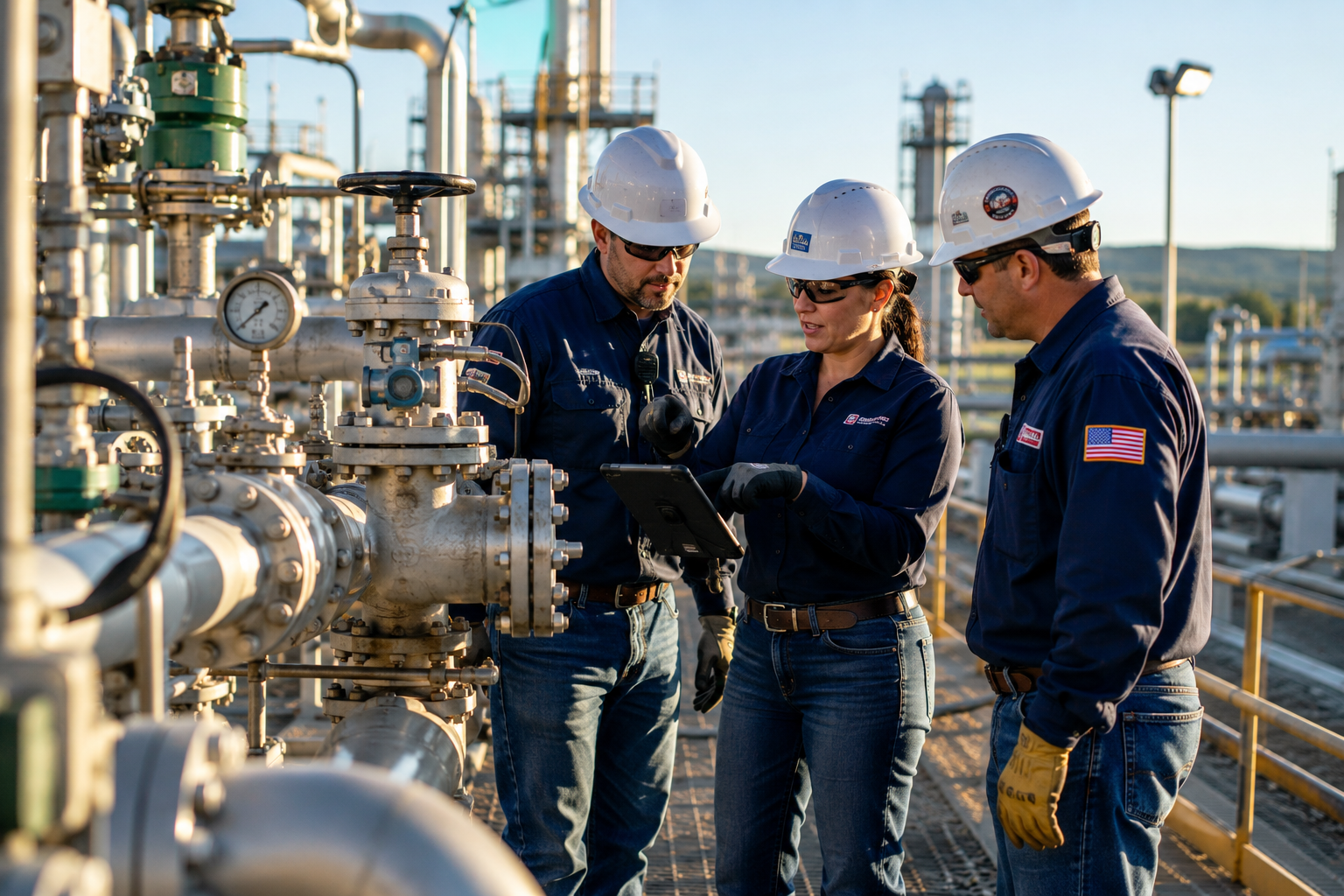
Operators, maintenance personnel, engineering, project management, construction, and leadership all had a seat at the table. Questions were encouraged. Assumptions were challenged. Concerns were addressed before construction began.
As a result, projects weren't just successfully designed.
They were successfully operated.
Organizations spend significant time focusing on budgets, schedules, engineering reviews, and project controls. All of those things matter. But successful execution requires something just as important: connecting engineering decisions to operational reality.
The people closest to the work often see things others don't.
When organizations create environments where those perspectives are welcomed, projects perform better, teams work together more effectively, and operational outcomes improve.
Engineering plans don't fail because people lack expertise.
They fail when organizations fail to connect engineering decisions with the realities of execution in the field.
Until Next Time,
Danielle